

Public Relations (PR) is the process of building a positive image for a company or brand. It helps businesses gain trust by sharing their stories, news, and expertise through media, websites, and public platforms instead of paid advertising.
Simply put, PR controls how people see and talk about a brand. When trusted media mentions a company in a positive way, it improves credibility, brand awareness, and long-term reputation.
Understanding the Meaning of PR
Public Relations, or PR, is about how a company is seen and understood by people. It focuses on building trust, shaping reputation, and creating a positive image in the public mind. PR does this through media coverage, storytelling, expert opinions, and honest communication.
Unlike advertising, PR does not directly sell products. Instead, it earns attention and credibility through newspapers, websites, interviews, podcasts, and online platforms. When people hear about a company from trusted sources, they are more likely to believe and remember it.
PR works quietly but has long-term impact. It influences how customers, investors, employees, and even competitors look at a brand.
Why Public Relations Is Important for Businesses?
PR is important because trust decides success. People prefer brands they feel confident about, not just brands that advertise more. PR helps build that confidence over time.
Good PR creates visibility in places where people already look for information. When a company appears in news articles, expert interviews, or respected websites, it feels reliable. This trust helps customers choose the brand, helps investors take interest, and helps employees feel proud to be associated with it.
PR also protects companies during difficult times. A strong reputation built through consistent PR makes it easier to handle criticism, mistakes, or negative news. When trust already exists, people are more willing to listen and forgive.
What Does Public Relations Do?
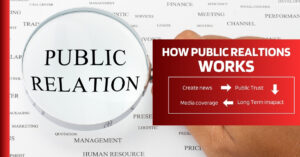
Public Relations works by shaping how people see a brand through clear communication, trust-building, and consistent messaging. It involves sharing the right stories with the right audience at the right time using media, content, and relationships. Over time, good PR builds credibility, manages reputation, and creates long-term brand value.
Public Relations performs many functions, all connected to communication, reputation, and trust. Each function plays a different role but works toward the same goal.
. Media Relations
Media relations is about working with journalists, editors, and reporters. PR teams share news, insights, and expert opinions that are useful for media stories.
When journalists see a company as a helpful and honest source, they come back again. Over time, this builds regular media coverage, which strengthens brand credibility without paid promotion.
. Digital PR
Digital PR focuses on online platforms like news websites, blogs, podcasts, and online magazines. It helps companies appear in Google searches and AI recommendations.
When trusted websites mention or link to a brand, search engines treat that brand as reliable. This improves visibility online and helps customers discover the company naturally while searching.
. Traditional PR
Traditional PR includes newspapers, TV, radio, and print magazines. It is still very important, especially for building authority and reaching decision-makers.
Coverage in respected traditional media makes a company look established and serious. It is especially useful for investor confidence, large brands, and companies targeting older or professional audiences.
. Crisis Management
Crisis management handles communication when something goes wrong. This could be customer complaints, legal trouble, negative reviews, or public backlash.
PR teams prepare messages, respond quickly, and communicate honestly. Clear communication during a crisis helps control damage and protect long-term reputation.
. Brand Positioning & Messaging
This function defines how a brand should be seen. PR helps decide what the company stands for and how it should talk about itself.
Clear messaging ensures that every interview, article, and public statement sends the same message. This consistency makes the brand easy to understand and remember.
. Thought Leadership & Executive Positioning
PR helps company leaders become known as experts. This is done through interviews, opinion articles, speaking events, and podcasts.
When leaders share useful knowledge instead of sales talk, people trust their opinions. This builds authority and opens doors to partnerships and business growth.
. Investor Relations
PR supports communication with investors and analysts. It helps share company progress, achievements, and future plans clearly.
Positive media coverage and strong reputation make fundraising easier. Investors prefer companies that are already trusted by the market.
PR Strategies That Build Brand Trust
PR strategies that build brand trust focus on honest communication, consistent messaging, and long-term relationships. By sharing real stories through media, responding clearly during crises, and positioning company leaders as experts, PR helps people feel confident in the brand. Over time, this steady and transparent approach turns public trust into strong brand credibility.
PR uses many practical methods to earn attention and trust.
1. Press releases
Press releases are official updates sent to media houses. They help announce launches, events, awards, or important changes in a clear and trusted way.
2. Media pitching
Media pitching means sharing story ideas with journalists that match their audience. It helps brands get featured in news articles without paid promotion.
3. Expert interviews
Expert interviews allow company leaders to share knowledge and opinions. This builds trust and positions the brand as an industry authority.
4. Podcasts and webinars
Podcasts and webinars help brands explain topics in detail. They allow direct interaction and build stronger relationships with the audience.
5. Original research and reports
Research reports show data, trends, and insights from real studies. They help companies gain credibility and earn media attention.
6. Guest articles
Guest articles help brands reach new audiences on trusted platforms. They also improve visibility and long-term brand reputation.
7. Crisis communication
Crisis communication plans prepare companies for negative situations. They help respond quickly and protect public trust during emergencies.
Each tactic works best when the content is useful, honest, and relevant.
Difference Between Traditional PR and Digital PR
Traditional PR focuses on reputation and influence. Digital PR focuses on visibility and online discovery. Both are important and often work together.
Traditional PR builds trust through respected offline and mainstream media. Digital PR improves search rankings, website traffic, and AI visibility through online mentions and backlinks.
The best PR strategy combines both based on business goals.
Positive PR vs Negative PR
Positive PR is proactive. It highlights achievements, values, and expertise. It builds trust slowly through consistent communication.
Negative PR is reactive. It deals with complaints, controversies, or mistakes. Strong positive PR done earlier helps companies handle negative situations better because trust already exists.
Difference Between PR and Marketing
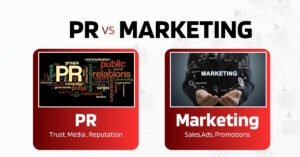
Many people are still confused about PR vs Marketing because both talk about brand growth, visibility, and audience reach. From the outside, they often look like the same thing. But the truth is, they work in very different ways and serve different purposes inside a company.
Understanding this difference helps businesses use the right strategy at the right time, instead of expecting one team to do the job of the other.
| Area | Public Relations (PR) | Marketing |
| Main Focus | Trust and reputation | Sales and conversions |
| Media Type | Earned media | Paid media |
| Message Control | Limited | Full |
| Time Impact | Long-term | Short-term |
| Example | News article | Advertisement |
PR builds belief. Marketing turns that belief into action.
How to Do PR: In-House, Freelancer, or Agency?
In-house PR teams understand the business deeply and respond quickly. They work best for ongoing communication.
Freelancers are good for specific tasks or short projects. They are flexible but have limited availability.
PR agencies offer experience, media contacts, and full support. They are ideal for growth-focused companies that need scale and strategy.
PR agencies are the best choice for companies focused on growth and visibility. They bring a full team, established media contacts, and experience across industries. Agencies can manage strategy, execution, and crisis communication together, making them ideal for brands that want scale, consistency, and long-term reputation building without internal limits.
Many companies use a mix of all three to balance cost, speed, and expertise. This approach helps handle daily communication internally while using outside support for bigger campaigns or special situations.
Final Thoughts
PR is not about hype. It is about credibility, clarity, and consistency. A strong PR strategy helps businesses grow with trust, not just visibility.
When done right, PR keeps working long after the article is published or the interview is done. That is what makes it powerful.
FAQs
1. What does PR stand for?
PR stands for Public Relations. It focuses on building trust and managing how a company is seen by the public.
2. Is PR useful for small businesses?
Yes. Even small businesses benefit from local media coverage, online mentions, and expert positioning.
3. Does PR help with SEO?
Yes. Media mentions and backlinks improve search rankings and help brands appear in AI-based search results.
4. How long does PR take to show results?
PR is not instant like ads. It usually takes a few weeks or months to see strong results, but the impact lasts longer.
5. Can PR increase sales directly?
PR does not sell directly, but it builds trust. When people trust a brand, they are more likely to buy.
6. Is PR better than advertising?
PR and advertising work best together. Ads give quick visibility, while PR builds long-term trust and reputation.
7. What is digital PR in simple words?
Digital PR focuses on online platforms like news websites, blogs, podcasts, and social media. It helps brands stay visible where people spend most of their time.
8. How is PR measured?
PR is measured through media coverage, brand mentions, website traffic, backlinks, and public sentiment. It focuses more on reputation than numbers alone.
9. What industries need PR the most?
Industries like startups, healthcare, real estate, education, tech, and finance benefit a lot from PR. Any industry that needs trust needs PR.
10. Can PR help during negative news?
Yes. Crisis PR helps control damage, share the right message, and protect brand image during difficult situations.
11. Do startups really need PR early?
Yes. Early PR helps startups gain credibility, attract investors, and build public trust from the start.
12. Is PR expensive?
PR cost depends on scope and strategy. Agencies may cost more, but they often provide better results and long-term value.
13. How do I know if my PR is working?
If your brand is mentioned positively, trusted by media, and recognized by people, PR is working. Growth in authority is a key sign.